Thinking About an Infidelity Investigation? Questions to Answer First
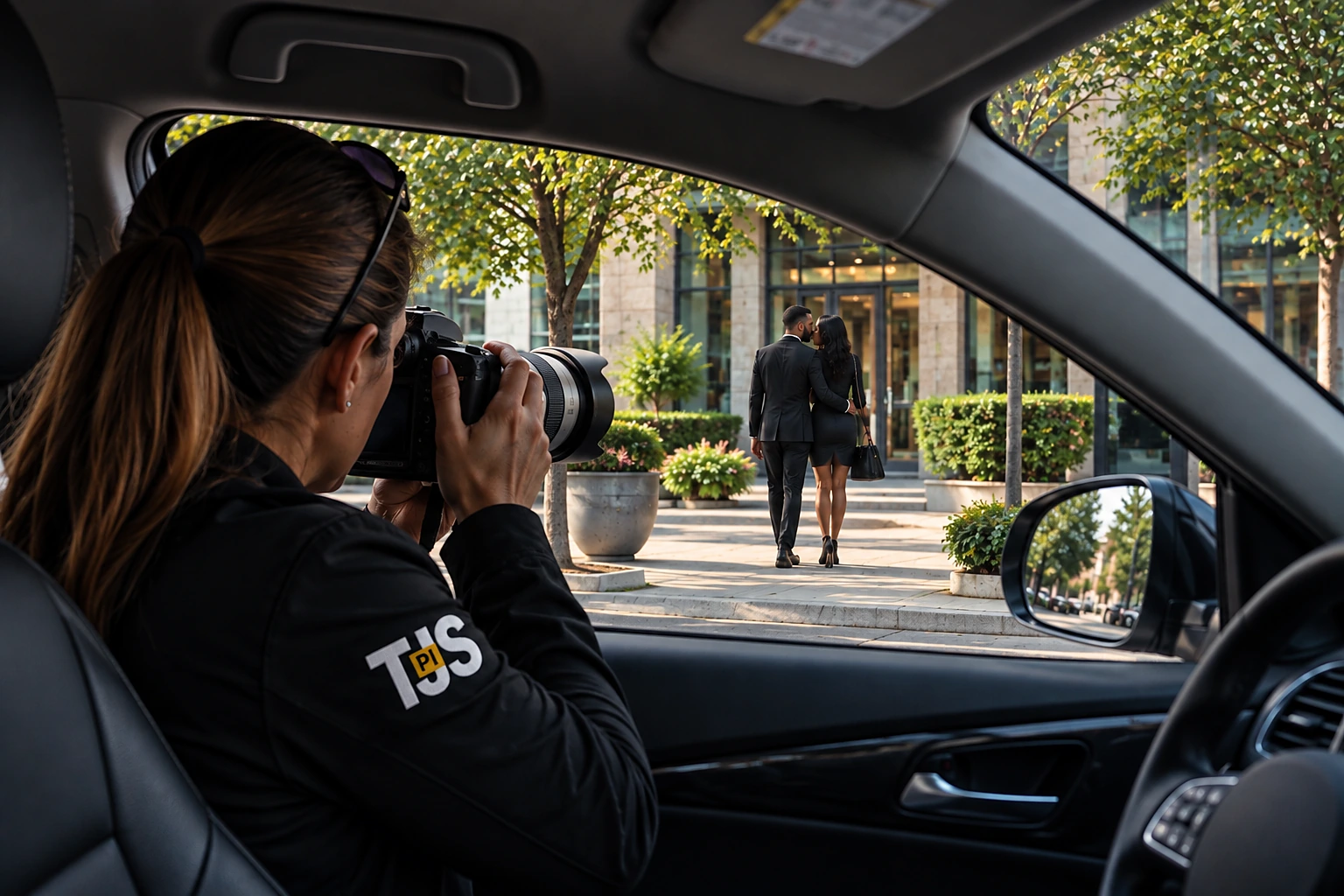
Suspecting a partner is painful and lonely. Five honest questions to answer before hiring an investigator, so the work brings clarity rather than more doubt.


Licensing, recordings, GPS trackers, trespass and pretexting: the lines a Texas private investigator works within, and why staying inside them protects your case.
Television has given private investigators a reputation for doing whatever it takes. Real investigative work is different. Everything we gather may end up in front of an attorney, a judge or an insurer, and evidence obtained the wrong way can hurt the very person who paid for it.
Here are the main lines a Texas private investigator works within. Knowing them will also help you spot someone who promises more than they lawfully can.
In Texas, private investigations companies and the investigators who work for them are licensed and regulated through the Texas Department of Public Safety’s Private Security Program, under Chapter 1702 of the Texas Occupations Code. Before you hire anyone, it is reasonable to ask for their license details and confirm them.
Surveillance is built on what can be seen from places the investigator is lawfully allowed to be, such as public streets, parking lots and businesses open to the public. What a person does in public view can generally be observed and documented.
What an investigator cannot do is trespass onto private property to get a better view, or record inside places where people have a reasonable expectation of privacy. Texas law makes certain recordings of people in private settings a crime.
Texas is a one-party consent state for recording conversations. A person who is part of a conversation can generally record it. Secretly recording a conversation you are not part of, such as hiding a recorder in someone’s car or home, is a different matter and can be a criminal offence.
This is one of the most common questions we get. Under Texas law, knowingly installing a tracking device on a vehicle you do not own, without the owner’s consent, is generally a crime, with some narrow exceptions. That includes a spouse’s car that is in their name. Instead of a tracker, a professional uses physical surveillance, which produces evidence you can actually use.
Federal law prohibits obtaining a person’s financial information from a bank or similar institution through false pretences, a practice known as pretexting. Investigators also cannot pose as police officers or claim powers they do not have. If someone offers to pull bank balances, phone records or medical files without a legal process, walk away.
A private investigator cannot make arrests in the way police officers do, cannot access law enforcement databases, and cannot serve search warrants. What we can do is gather and organize lawful evidence and, where a crime is involved, give you something clear to take to law enforcement or your attorney.
Evidence gathered lawfully is evidence that holds up. It also keeps you out of trouble. Clients sometimes worry that following the rules means getting less. In our experience it means getting something you can rely on.
If you have questions about what is possible in your situation, request a confidential consultation and we will give you a straight answer. You can also read whether surveillance can be used in court.
This article is general information, not legal advice.
More insights
Suspecting a partner is painful and lonely. Five honest questions to answer before hiring an investigator, so the work brings clarity rather than more doubt.
Surveillance hours are only as good as the plan behind them. What to share with your investigator before day one, and why each detail matters.
Late pickups, missed weekends and tense handoffs wear you down. How to keep calm, factual records your attorney can use, and when independent documentation helps.
You won the judgment, but the money hasn’t followed. How a lawful asset search works in Texas, which records come first, and where your attorney takes over.

[Let’s talk about your case]
Your next step starts with answers.
Tell us what’s happening and what you need to know. We’ll listen, explain how an investigation could help, and discuss an approach that fits your situation.
Copyright © 2026 TJS Private Investigations. All rights reserved.