Thinking About an Infidelity Investigation? Questions to Answer First
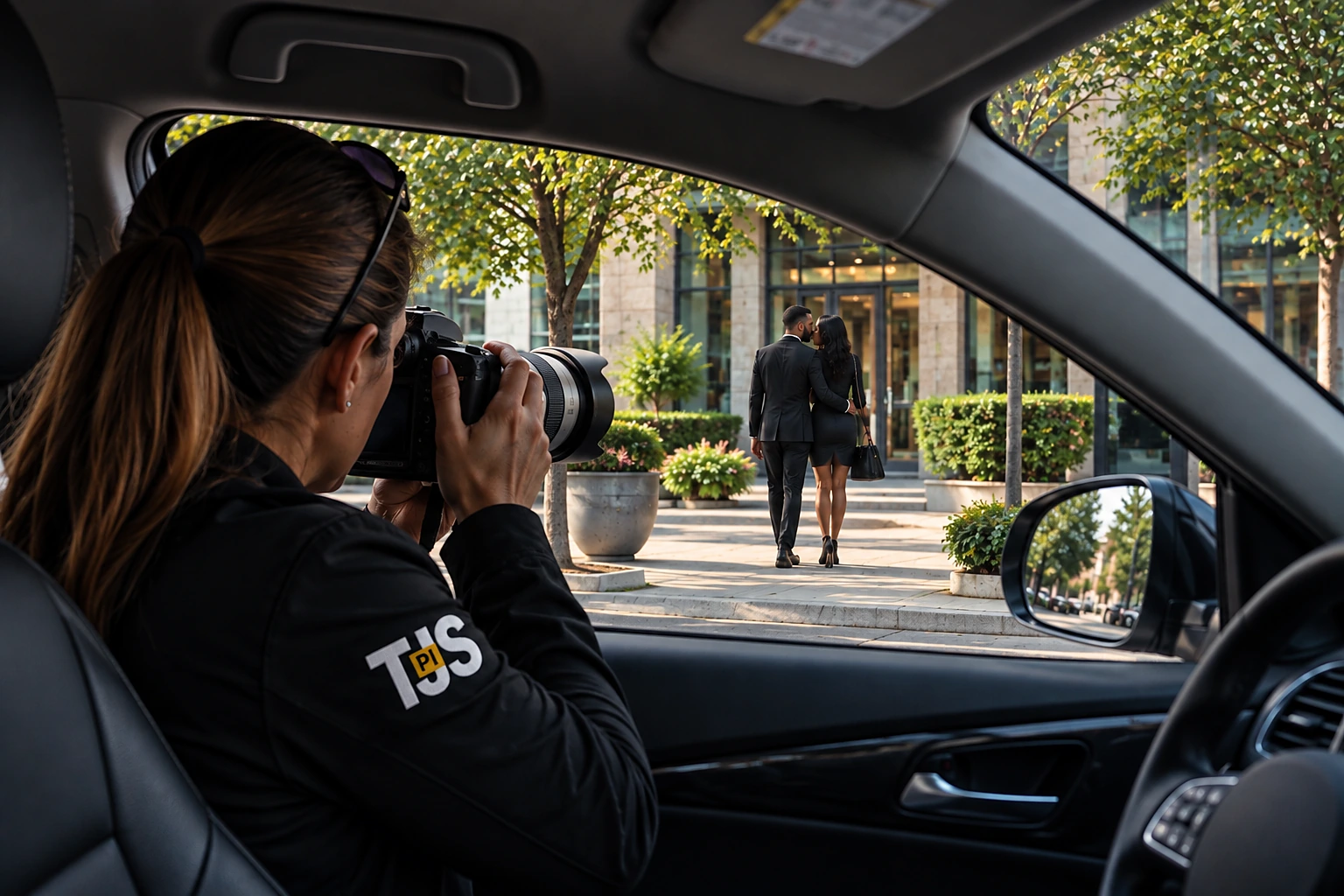
Suspecting a partner is painful and lonely. Five honest questions to answer before hiring an investigator, so the work brings clarity rather than more doubt.


Surveillance hours are only as good as the plan behind them. What to share with your investigator before day one, and why each detail matters.
Surveillance is often the most effective way to get answers, and also the easiest to waste. An investigator parked in the wrong place, on the wrong day, watching for the wrong car, will come back with very little no matter how skilled they are. The difference usually comes down to what happens before the first hour is billed.
Here is what to share with your investigator, and why it matters.
Start with the goal, in one or two sentences. “I want to know where my husband goes on Thursday evenings.” “We need to see whether the claimant’s activity matches the restrictions in the claim.” A clear question tells us when to watch, what to document and when we have enough.
A recent, clear photo of the person is essential. Add height, build, hair, glasses, tattoos and how they usually dress. People look different from a distance and in a car, so the more detail, the faster and more reliably they can be identified.
Make, model, color and license plate for every vehicle the person might use, including work vehicles and cars belonging to friends or family. Note anything distinctive such as stickers, roof racks or damage.
This is where you save the most money. Tell us:
An investigator who starts at the right place at the right time can spend their hours documenting rather than searching.
Home address, workplace, and any other addresses you know of. If you suspect a particular location, share it, along with how sure you are. We will plan around access, traffic and where we can lawfully observe from.
Does the person suspect they may be watched? Have they spotted you checking up on them? Have you confronted them? This changes how carefully we need to work, and it is one of the most important things to be honest about.
Once surveillance is planned, try to keep things normal. Don’t change your own routine, mention an investigator to anyone involved, or try to watch alongside us. It can put the assignment at risk and occasionally put you in an uncomfortable position.
At the end you get a report with times, locations and observations, supported by photographs and video where they were obtained, written plainly so you, and your attorney if you have one, can understand exactly what was seen. Read more about how we work on our surveillance services page, or see how professional surveillance works.
More insights
Suspecting a partner is painful and lonely. Five honest questions to answer before hiring an investigator, so the work brings clarity rather than more doubt.
Late pickups, missed weekends and tense handoffs wear you down. How to keep calm, factual records your attorney can use, and when independent documentation helps.
You won the judgment, but the money hasn’t followed. How a lawful asset search works in Texas, which records come first, and where your attorney takes over.
People-search sites are a starting point, not an answer. Here is what identity matching, source records and context add before you make a decision about someone.
[Let’s talk about your case]
Your next step starts with answers.
Tell us what’s happening and what you need to know. We’ll listen, explain how an investigation could help, and discuss an approach that fits your situation.
Copyright © 2026 TJS Private Investigations. All rights reserved.