Thinking About an Infidelity Investigation? Questions to Answer First
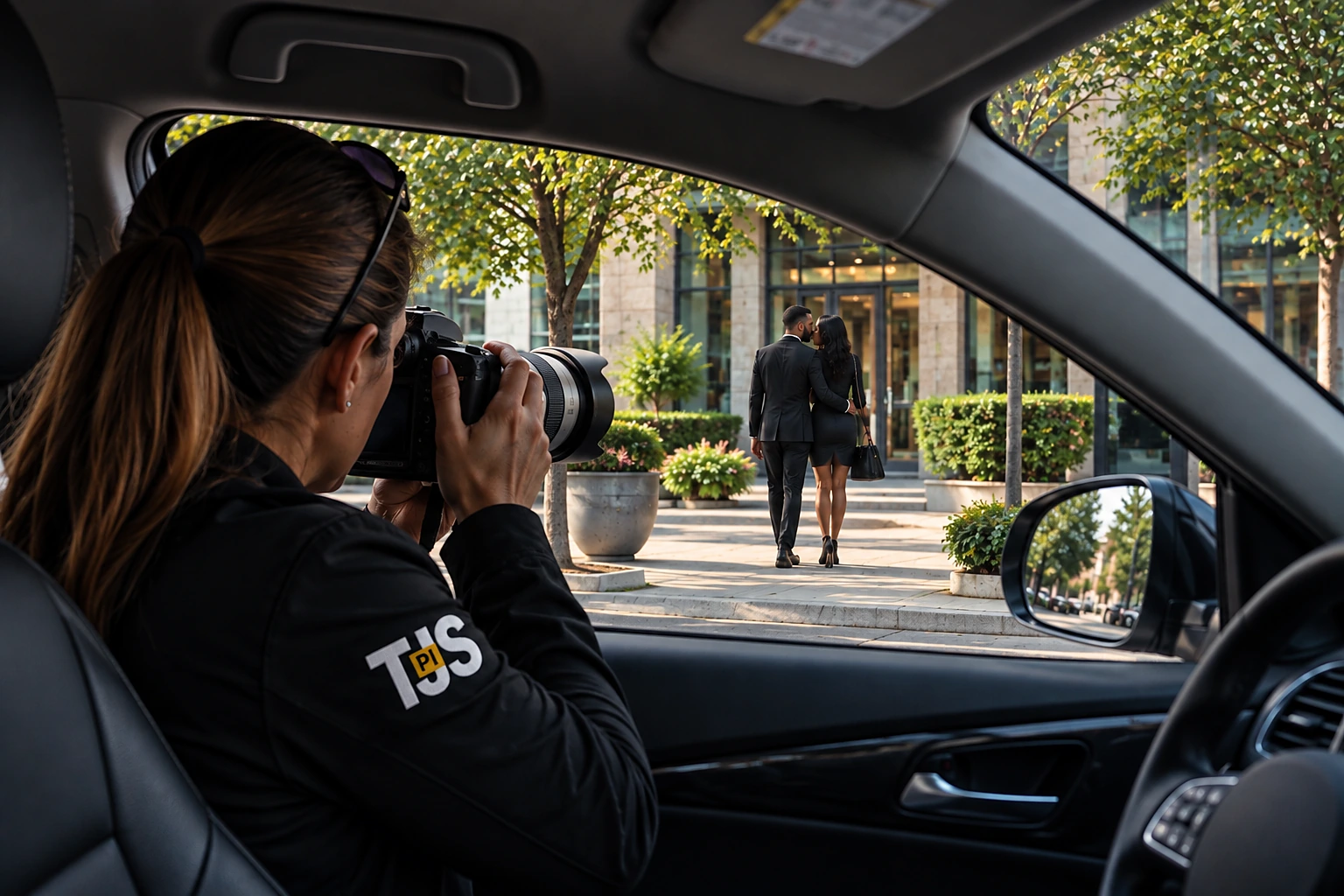
Suspecting a partner is painful and lonely. Five honest questions to answer before hiring an investigator, so the work brings clarity rather than more doubt.


Surveillance evidence can play a real part in custody, injury and business cases, but only when it is gathered lawfully and documented carefully. Here is what makes it useful.
If you are thinking about hiring a private investigator for a legal matter, one question usually comes first: will any of this actually hold up? The honest answer is that surveillance evidence can play an important role in court, but only when it is gathered lawfully, documented carefully, and presented by someone who can explain how it was obtained.
Here is what you should know before an investigation begins.
Courts regularly see surveillance findings in matters such as:
In each case, the evidence does not decide the matter on its own. It gives the judge, the parties, and the attorneys facts to weigh alongside everything else.
This is the foundation. Evidence obtained by trespassing, recording private conversations without consent, placing tracking devices where the law does not allow it, or misrepresenting identity can be excluded, and can create legal problems for the person who obtained it. Professional investigators work within the laws of the state where the investigation takes place and observe from places they are legally permitted to be.
Video that shows only a few seconds of activity can be challenged as misleading. A careful investigator records continuously where possible, notes times and locations precisely, and reports what was seen, including observations that do not support the client’s suspicion. Balanced reporting is more credible, and credibility is what matters in court.
Good surveillance comes with a written report that explains when the investigator was present, where they were, what they observed, and when the photographs or video were taken. Original files should be preserved so their integrity can be shown if questioned.
Photographs and video usually need someone to explain them. The investigator who conducted the surveillance may be asked to testify about how the evidence was gathered and what it shows. An experienced investigator expects this and documents the work with that possibility in mind.
Your attorney understands the legal issues in your case and the rules of evidence in your jurisdiction. When the investigator and attorney work together from the start, the surveillance can be focused on the questions that actually matter, and the findings can be shared in the way your attorney prefers. Your attorney decides whether and how the evidence is used.
It is important to set realistic expectations. Surveillance documents what can be observed. It cannot reveal what happens behind closed doors, and a single day of observation may not capture a pattern. Sometimes the findings simply show ordinary behavior. That outcome can still be valuable, because it tells you and your attorney where the case stands.
At TJS Private Investigations, we plan each assignment around the questions your case needs answered. We document observations with dates, times, and locations, preserve original photographs and video, and prepare clear, factual reports that distinguish what was directly observed from what remains unknown.
If you are preparing for a custody matter, an injury claim, or a business dispute, speak with an investigator about how surveillance could support your case.
More insights
Suspecting a partner is painful and lonely. Five honest questions to answer before hiring an investigator, so the work brings clarity rather than more doubt.
Surveillance hours are only as good as the plan behind them. What to share with your investigator before day one, and why each detail matters.
Late pickups, missed weekends and tense handoffs wear you down. How to keep calm, factual records your attorney can use, and when independent documentation helps.
You won the judgment, but the money hasn’t followed. How a lawful asset search works in Texas, which records come first, and where your attorney takes over.

[Let’s talk about your case]
Your next step starts with answers.
Tell us what’s happening and what you need to know. We’ll listen, explain how an investigation could help, and discuss an approach that fits your situation.
Copyright © 2026 TJS Private Investigations. All rights reserved.