Thinking About an Infidelity Investigation? Questions to Answer First
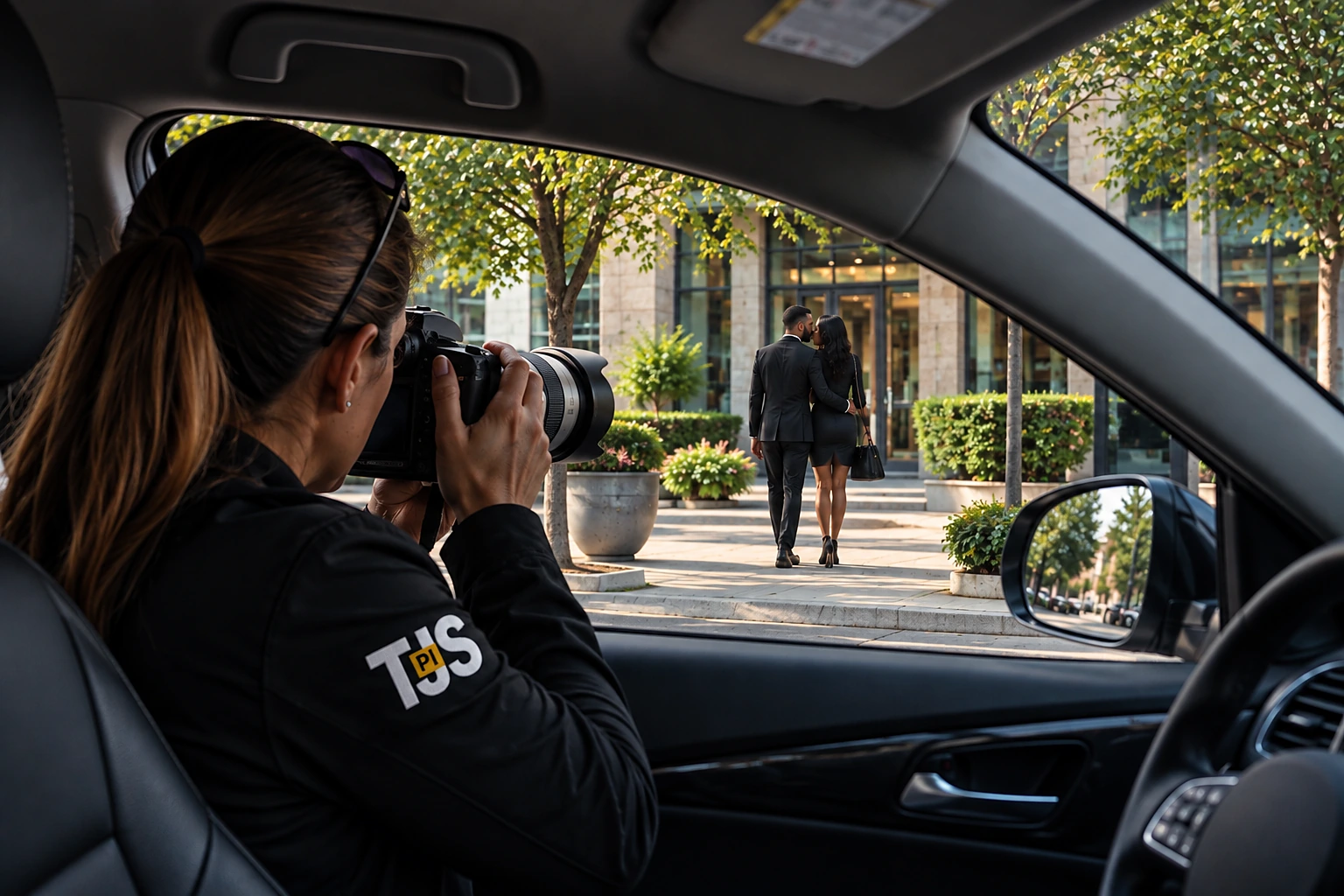
Suspecting a partner is painful and lonely. Five honest questions to answer before hiring an investigator, so the work brings clarity rather than more doubt.


From the first conversation to the final report: how a professional surveillance assignment is planned, carried out, and documented, and what you will receive.
Surveillance looks simple on television: someone sits in a car with a camera and waits. In reality, a professional surveillance investigation is planned carefully, adjusted constantly, and documented in detail. Knowing how the process works can help you decide whether it is right for your situation and what to expect if you move forward.
Every assignment starts with a conversation. We want to understand what has happened, what concerns you, and what decision the findings will help you make. A clear objective makes surveillance more focused and more cost-effective. “Is my partner meeting someone after work on Thursdays?” is easier to answer than “What is my partner doing?”
We will also discuss what is realistic. Some questions are well suited to surveillance; others are better answered through records research, interviews, or a combination of methods.
The more we know before the first day, the better the results. Useful details include:
We may also conduct research to confirm addresses, vehicles, and other details before fieldwork begins.
Before an investigator goes into the field, the assignment is planned around the location, the timing, and the objective. That includes studying the area, identifying lawful observation points, deciding how many investigators are needed, and choosing the right equipment. A busy city street and a quiet rural road call for very different approaches.
We agree the scope, schedule, and budget with you before work begins, so there are no surprises.
In the field, the investigator’s job is to observe without being noticed and to record what happens accurately. That may mean following at a distance, maintaining a fixed position for hours, or adjusting the plan when the person does something unexpected. Investigators work from places they are legally permitted to be and stay within the laws that apply where the investigation takes place.
Throughout the assignment, investigators keep detailed notes of times, locations, and observations, and capture photographs or video where appropriate.
Surveillance can produce results quickly or take several sessions to establish a pattern. We keep you updated on progress, explain any challenges, and discuss whether the plan should change based on what we are seeing. You stay in control of decisions about scope and budget.
When the assignment is complete, you receive a written report that sets out what was observed, when, and where, supported by photographs or video. A good report separates direct observations from conclusions and notes what remains unknown. It should be clear enough that you, and your attorney if one is involved, can understand exactly what the work established.
It depends on the question. Confirming whether someone is at a particular place at a particular time might take one session. Establishing a pattern of behavior, or documenting activity relevant to an injury claim, may take several days spread over weeks. We will give you an honest estimate at the start and update it if circumstances change.
Following someone yourself is risky. It can lead to confrontation, put your safety at risk, and produce evidence that is incomplete or unusable. A professional investigator brings training, experience, the right equipment, and an understanding of the law, along with the objectivity to report what actually happened.
If you have questions you need answered, speak with an investigator. We will explain how surveillance could work for your situation and what it is likely to involve.
More insights
Suspecting a partner is painful and lonely. Five honest questions to answer before hiring an investigator, so the work brings clarity rather than more doubt.
Surveillance hours are only as good as the plan behind them. What to share with your investigator before day one, and why each detail matters.
Late pickups, missed weekends and tense handoffs wear you down. How to keep calm, factual records your attorney can use, and when independent documentation helps.
You won the judgment, but the money hasn’t followed. How a lawful asset search works in Texas, which records come first, and where your attorney takes over.

[Let’s talk about your case]
Your next step starts with answers.
Tell us what’s happening and what you need to know. We’ll listen, explain how an investigation could help, and discuss an approach that fits your situation.
Copyright © 2026 TJS Private Investigations. All rights reserved.